

Case study · QSR / fast casual — New Orleans po'boys & Louisiana comfort food
How Poor Boys Migrated 100% of Their Online Orders to a Branded Storefront — Without Losing a Beat
1 sites · Kingston upon Thames
Before
Online ordering → FlipDish (app-based). POS → Lightspeed L-Series.
After
- Online ordering (C&C + delivery)Storekit
- POSLightspeed K-Series
- Delivery dispatchShipday
Poor Boys runs one site. Never not busy. But their online ordering was built on friction.
The problem
FlipDish required every customer to download an app. Create an account. Trust a third-party brand — not Poor Boys.
It worked. They'd pushed hard to get it there. But the experience didn't match what they'd built in the kitchen.
And when Lightspeed flagged that their L-Series licence was expiring — forcing a POS change — it opened a question: if we're changing the POS anyway, why are we keeping the ordering platform?
The shift
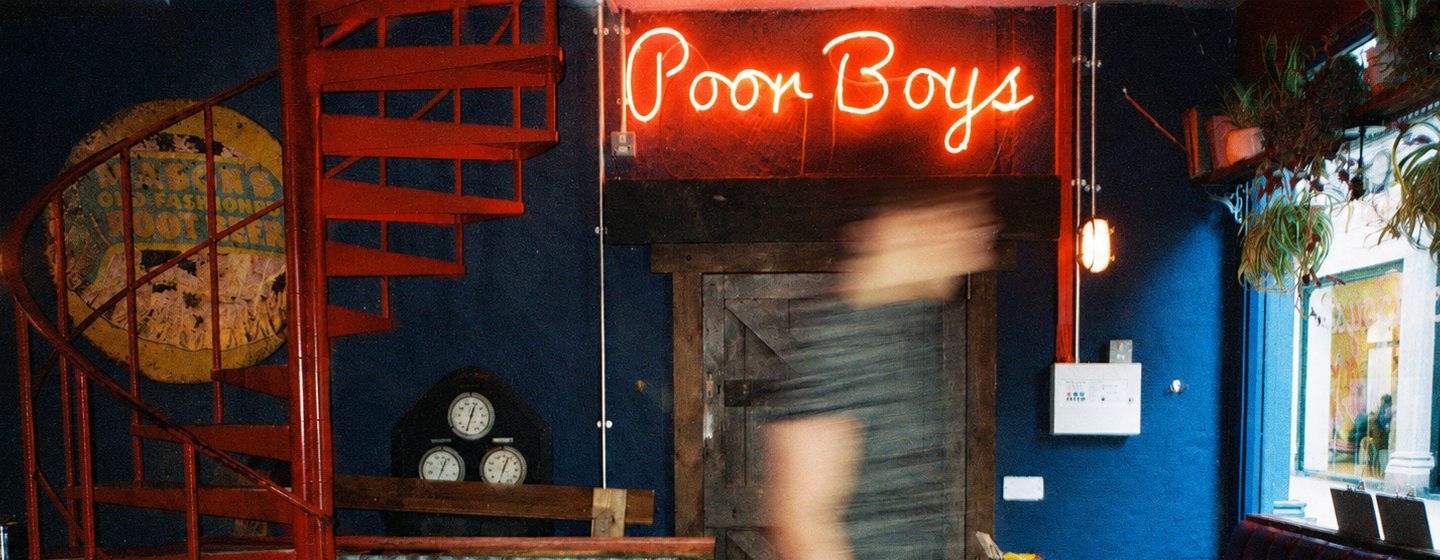
Poor Boys weren't looking to fix something broken. They were running a tight, busy single site. The revenue was real. They'd worked hard for it.
But the referral from Lightspeed made them look. And what they found was a cleaner model.
Web-based. No app download. Branded to Poor Boys — not to a third-party platform. Orders straight to the kitchen. No middleware.
If the POS was changing anyway, the timing made sense. One cutover. One go-live day. Both systems at once.
The solution
Storekit replaced FlipDish on 17 November 2025 — the same day Lightspeed K-Series went live. Two systems in, two out. One transition.
- Web-based ordering — customers order from any device, no app, no account
- Separate Collection and Delivery stores with different prep buffers (30 min collection / 60 min delivery)
- End-to-end delivery tracking for every customer order
- Shipday integrated directly for delivery dispatch
- Menu synced from Lightspeed K-Series — one button, no manual rebuild
- Own delivery drivers retained — no dependency on third-party couriers
The result: orders come in, print in the kitchen, go out the door.
It's just orders, fill it in, made in the kitchen, chucked into the bag and sent out.
The impact
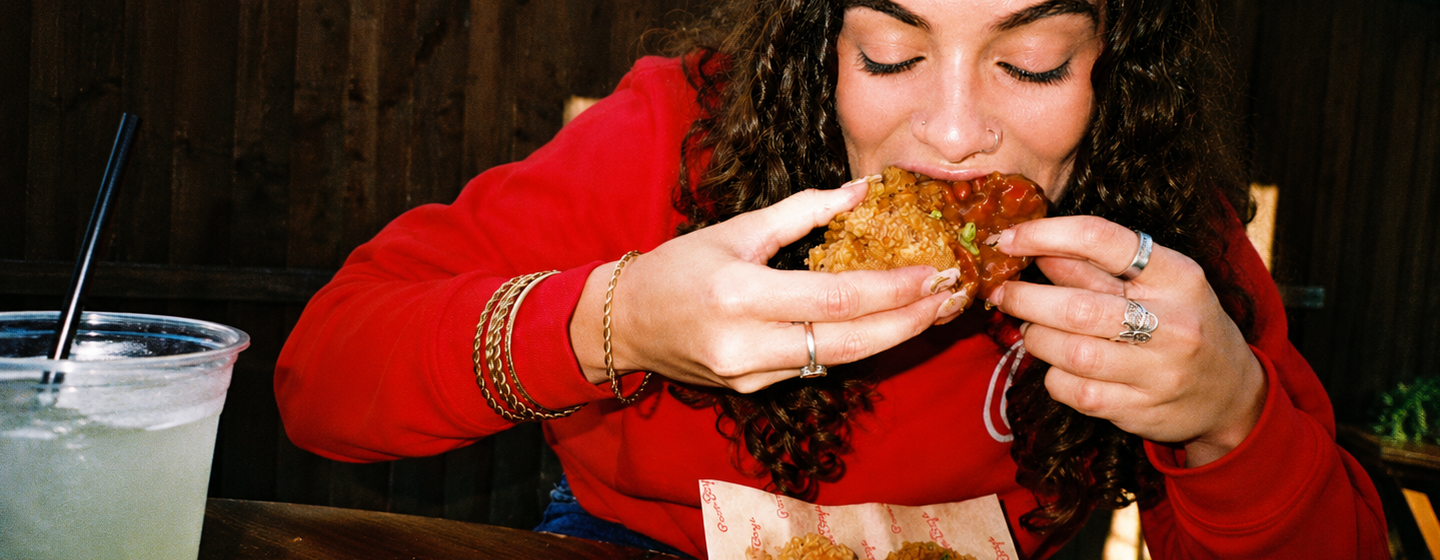
AOV holds at £50–54. High for the segment. And consistent.
Anything that kind of increases the spend online, it's a really nice passive income because there's not really much involved from our side.
What's now live: Click & Collect and Delivery, both active. Lightspeed K-Series integration with orders syncing automatically. Shipday dispatch without manual coordination. End-to-end delivery tracking so customers know exactly where their order is.
Still to quantify (pending interview with Phil): order volume vs FlipDish baseline, conversion uplift without app-download friction, smart tipping revenue, and Google review impact.
What this actually means
Poor Boys made a bold call — switch POS and online ordering on a single Monday morning, with no fallback, on a site that's never not busy.
The order experience now looks like Poor Boys, not a third-party app. Customers track delivery end to end. Staff don't touch the order once it's in.
And 100% of the online revenue that used to run through FlipDish now runs through their own branded storefront.
We were doing well on FlipDish. But we had to ask customers to download an app. Storekit just works — for us and for them. Orders come in, they go out. It's passive income that runs itself.
One Monday. Two systems in. 100% of online revenue on your brand.
The stack


More operators like this


30 April 2027
0
days until GloriaFood closes
£0/month1.4% + 20p per orderNo contractsUK support