
Industry POV
QR code ordering for restaurants: how it works and what it costs
Scan, order, pay — and the table turns faster with a bigger bill. How QR ordering actually works, where it fits (and doesn't), and the honest cost picture.
 Harry Soar11 June 20262 min read
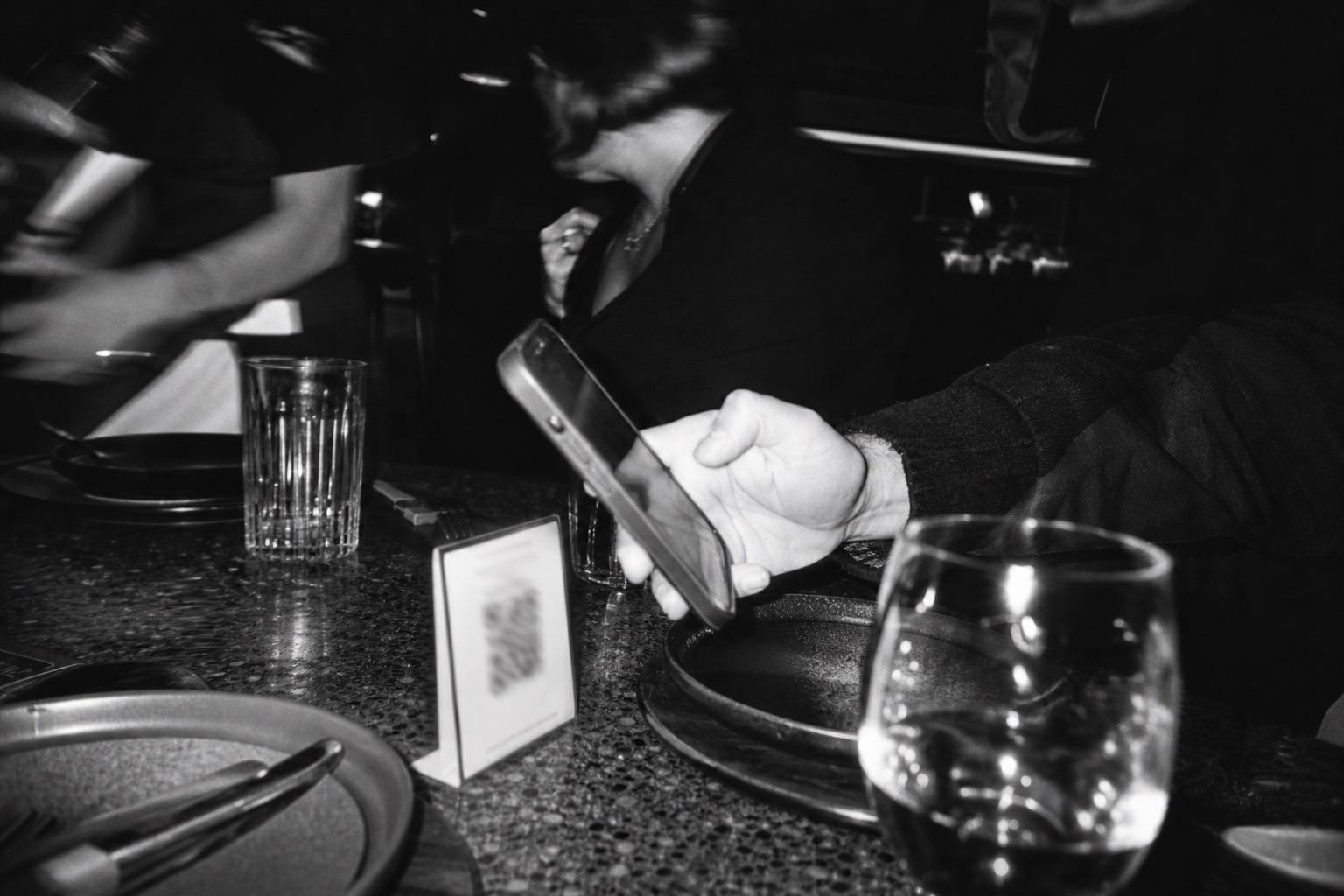
QR code ordering puts your menu on the guest's own phone — scan the code on the table, order, pay, done, no app download. For the operator it means orders arriving while staff carry plates instead of notepads, tables that settle themselves, and a measurable lift in order value from menus that upsell consistently. Here's how the variants differ, where it genuinely fits, and what it costs without the brochure gloss.
The three levels of QR on a table
- View-only menu. The code opens a PDF or web menu; ordering still happens with staff. Cheap, and mostly a missed opportunity — all of the squinting, none of the revenue
- Order at table. Guests browse and order from the phone; payment happens at the end, with staff or per-round. The service-pressure relief lands here
- Order & pay (and tabs). The full loop: order, pay, tip, repeat rounds on an open tab. Tables turn without the bill ritual, and the busiest nights feel less like triage
Where it earns its keep — and where it doesn't
QR ordering shines where waiting is the bottleneck: pubs and bars (no more three-deep at the bar to order a round), casual dining at peak, courtyards and terraces staff can't cover, food halls. It matters least in slow full-service dining where the waiter is the experience. The honest rule: offer both paths and let the room decide — the table that wants to order a second bottle in ten seconds will use the code; the anniversary dinner won't, and shouldn't have to.
What it does to the numbers
- Order value rises — the menu never forgets to offer the dip, the side, the upgrade; guests add a round when adding it takes five seconds
- Tables turn faster — the dead minutes waiting to order and waiting to pay come out of every cover
- Tips hold up — a well-built pay flow asks at the right moment, every time
What it costs
Two models, same as ordering software generally: subscriptions, or pay-per-order. On Storekit, QR order & pay carries no monthly fee — and operators migrating from GloriaFood get the Sundown Offer dine-in rate of 1.9% + 15p for the lifetime of the account. GloriaFood itself offered dine-in ordering but shuts down on 30 April 2027; if QR tables are part of your operation, fold them into the same migration rather than running two transitions. Print the codes last, per the playbook — they should point at the new platform on day one.
Frequently asked questions
How does it work?
Code on the table opens your menu on the guest's phone; they order and pay there; the kitchen gets the ticket. No app.
What does it cost?
No monthly fee on Storekit — pay per order; GloriaFood migrators get 1.9% + 15p on dine-in for life. Subscription platforms bundle it monthly — compare on your covers.
Will guests use it?
Where it beats waiting, enthusiastically. Keep a human path alongside and let the table choose.
Guests don't want technology at the table. They want the drink before the conversation lulls. QR ordering is just the shortest route.
More from the blog